
French · Breads & baking
Butter croissants
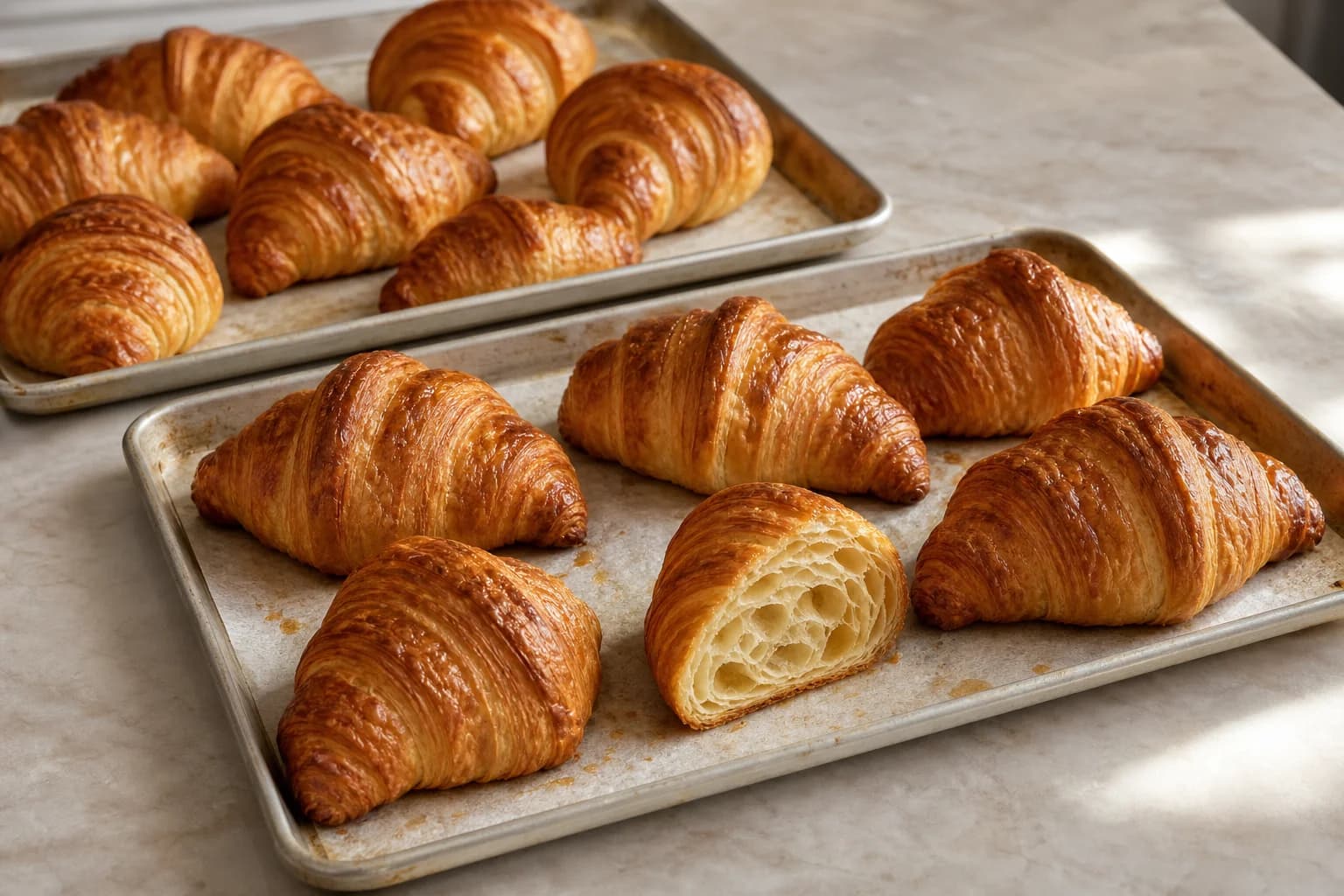
Classic crescent pastries with crisp caramelized shells, visible honeycomb layers, and a rich butter aroma.
Equipment
- Rolling pin
- A similarly sized 13 × 18-inch rimmed pan works; smaller pans make a thicker pizza.
Ingredients
1× recipe · Makes 12 croissants
- 4 cups plus 2 tablespoons (500 grams) all-purpose flour
- 1/4 cup (50 grams) granulated sugar
- 2 teaspoons fine sea salt
- 2 1/4 teaspoons instant yeast
- 1 1/4 cups (300 grams) cold whole milk
- 3 tablespoons (42 grams) unsalted butter, softened
- 1 1/4 cups (285 grams) European-style unsalted butter, cold, for laminating
- 1 large egg beaten with 1 tablespoon water, for washing
Instructions
Day one, mix flour, sugar, salt, yeast, cold milk, and softened butter into a firm dough. Knead 4 to 5 minutes only until smooth, flatten into a 10-inch square, wrap, and refrigerate at least 4 hours or overnight.
Arrange the cold laminating butter between parchment sheets and pound, then roll, into an even 7-inch square. Chill until cold but bendable: dough and butter should have similar firmness so the butter neither shatters nor squeezes out.
Roll dough into an 11-inch square, set the butter diagonally on it, fold the dough corners over like an envelope, and pinch every seam closed. Roll gently into an 8-by-24-inch rectangle, brushing away loose flour. Fold in thirds like a letter, wrap, and chill 30 minutes.
Turn the dough 90 degrees and repeat the 8-by-24-inch roll and letter fold twice more, chilling 30 minutes after each fold. If the butter softens or resists, stop and chill; forcing warm dough destroys distinct layers. After the third fold, refrigerate at least 2 hours or overnight.
Roll chilled dough to a 10-by-40-inch rectangle about 1/8 inch thick, trim the edges, and cut 12 long triangles. Cut a 1/2-inch notch in each base, stretch gently, and roll toward the point without crushing the layers. Place point-side down on and curve the ends slightly.
Cover loosely and proof 2 to 3 hours in a room no warmer than 78°F, until visibly expanded, delicate, and jiggly when the pan moves; hot proofing melts the butter. Brush lightly with egg wash, avoiding cut edges. This is the batch's one true project: a two-day schedule, precise butter temperature, three laminating folds, shaping, and proof judgment are intrinsic rather than optional flourish.
Bake at 400°F for 10 minutes, reduce to 375°F without opening the door, and bake 10 to 15 minutes more until evenly deep golden, including the sides and seams. Cool 20 minutes. Pale croissants are usually underbaked inside; expect some butter on the pan, but a large pool signals underproofing or broken lamination.
Dinner does not stop at the recipe
Keep recipes, plan meals, and build the grocery list in Kwilt.
Use the recipe here. Get Kwilt when you want the rest of dinner to stay together.
Cook something else
See every recipe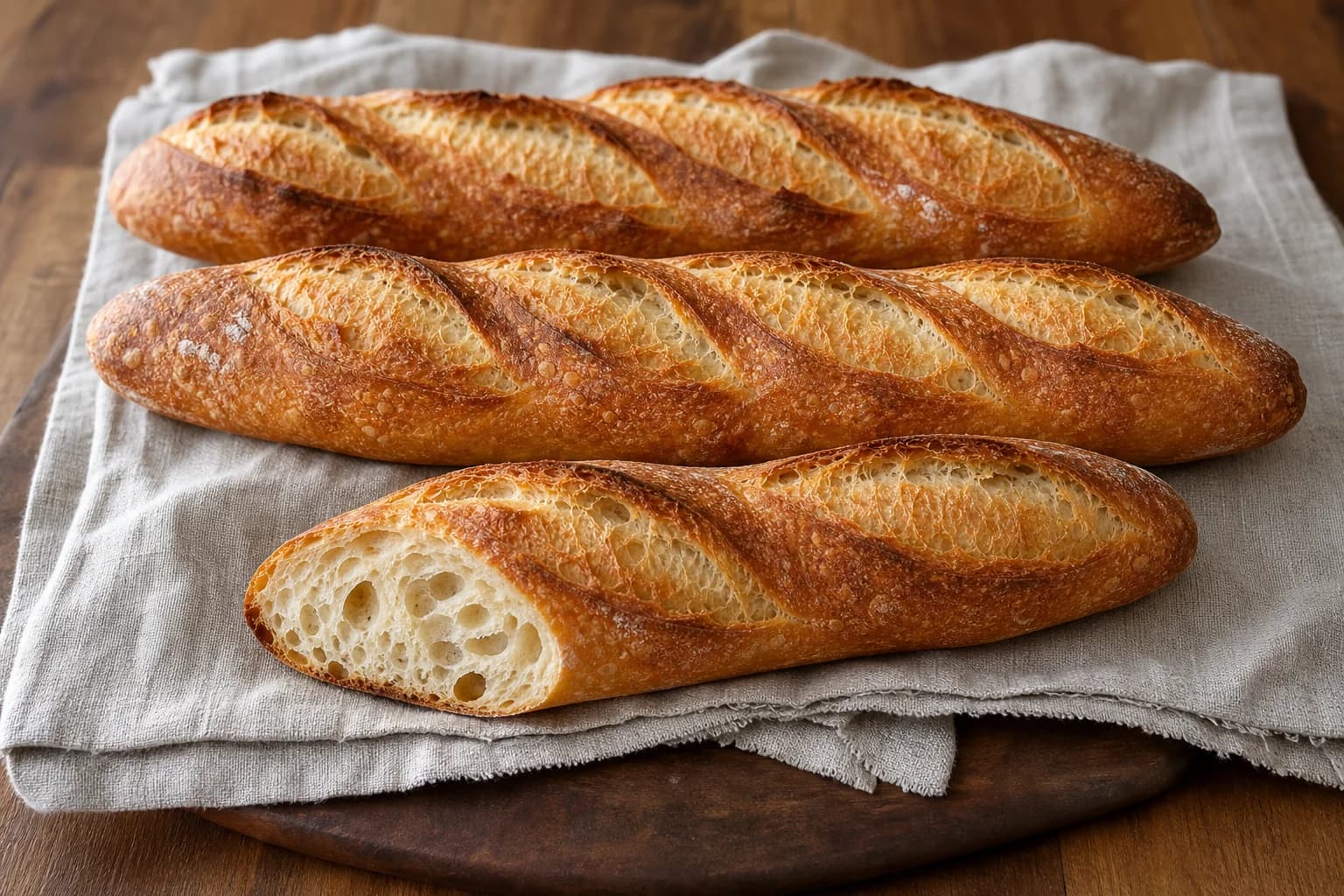
French · Breads & baking
Crusty baguettes
Three slender French loaves with deeply golden crackly crusts and chewy, open crumbs.
About 16 hr3 baguettes
French · Breads & baking
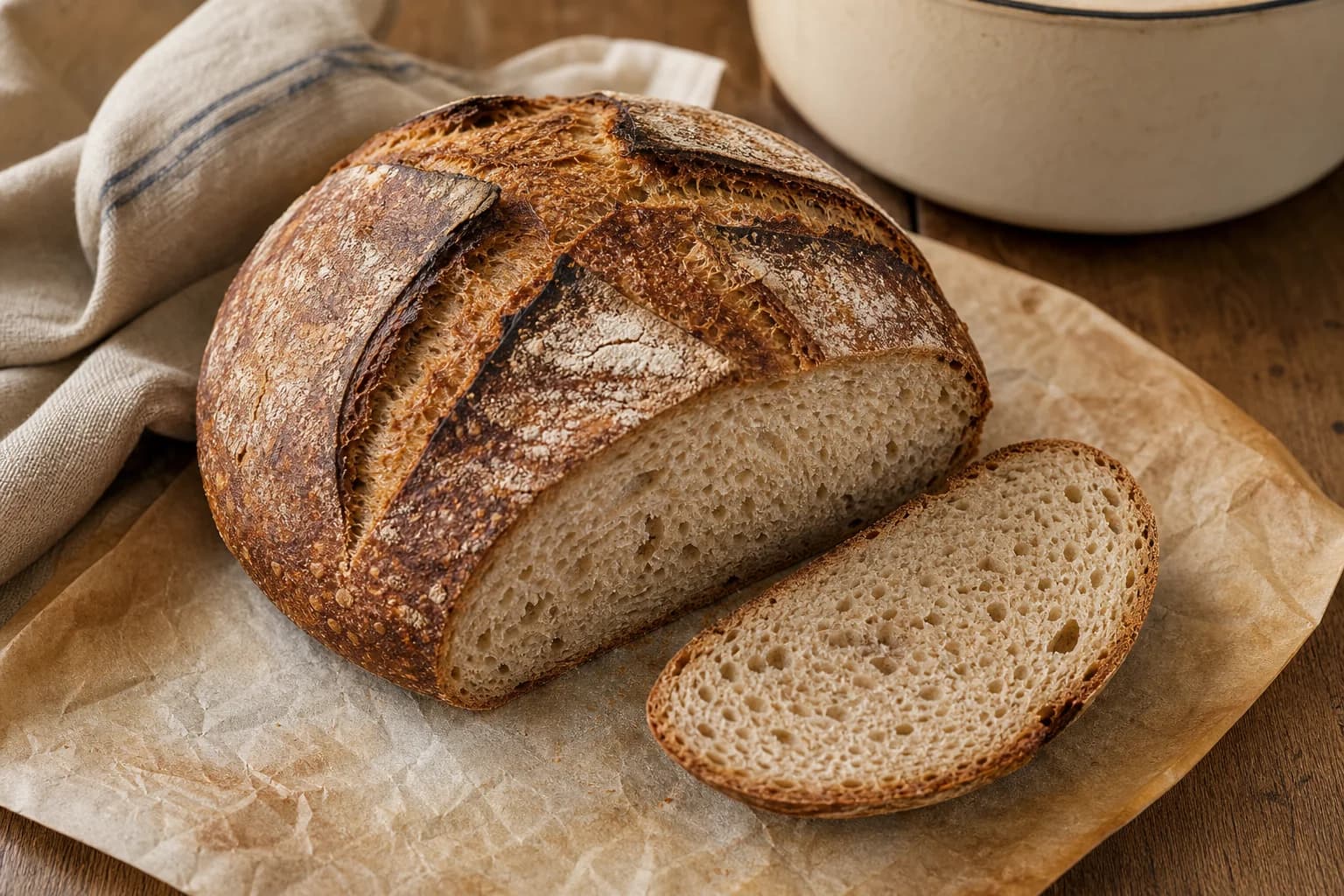
French country bread (Pain de campagne)
A round, deeply browned country loaf with a moist open crumb and gentle whole-grain flavor.
About 16 hr 10 min1 large loaf
French · Breads & baking
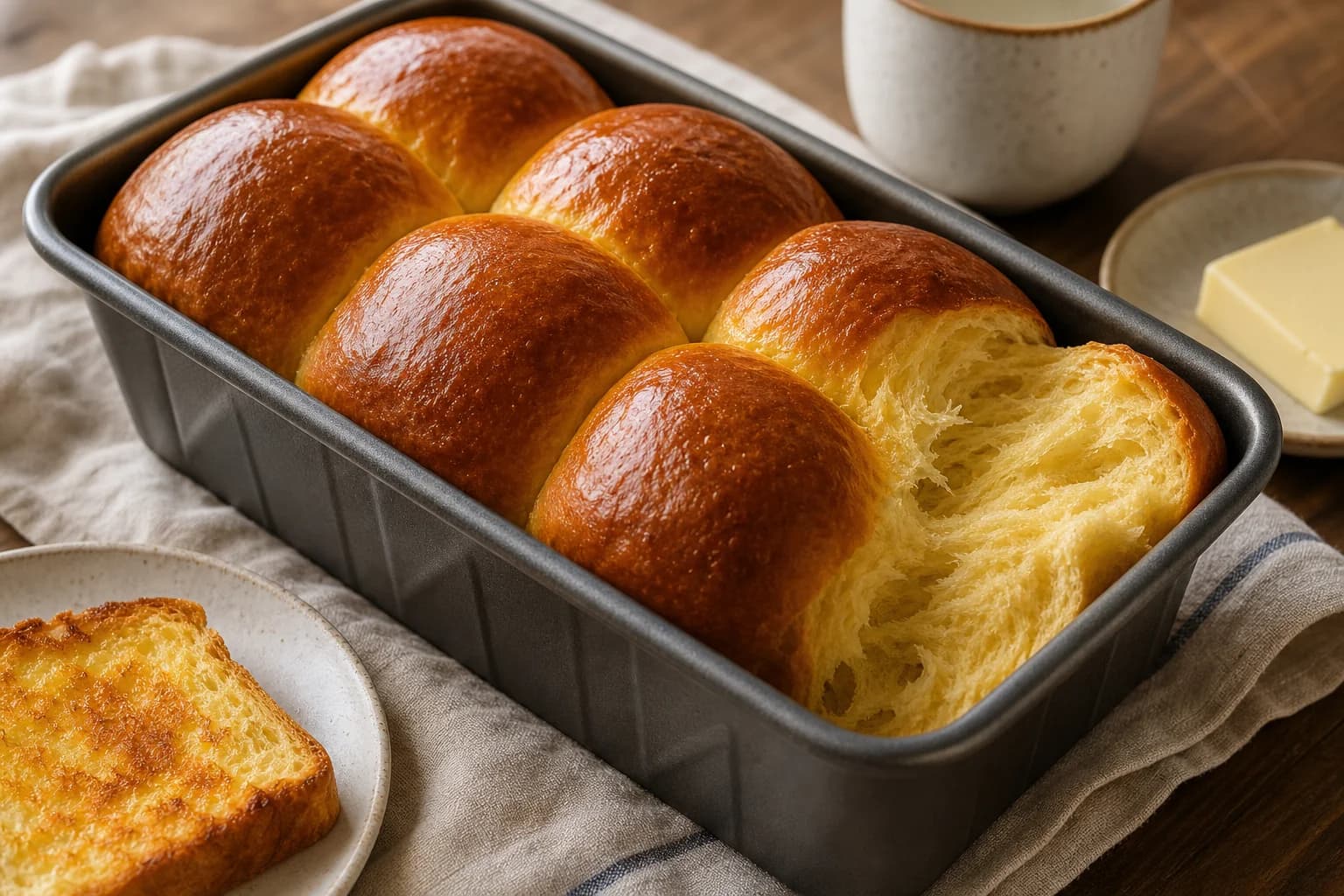
Buttery brioche loaf
A glossy French loaf with a feather-soft pull-apart crumb and the richness of eggs and butter.
About 6 hr 15 min1 9-inch loaf